
Introduction
In today’s digital world, customers rarely make a purchase without first searching for information online. They read blog posts, watch videos, compare products, and look for answers to their questions. This is where content marketing plays an important role.
Content marketing is one of the most effective digital marketing strategies because it focuses on providing valuable information rather than directly promoting products or services. When businesses consistently create useful content, they can attract more visitors, build trust with their audience, and generate quality leads.
Whether you run a small business, an online store, or a personal brand, content marketing can help you grow your online presence and connect with potential customers in a meaningful way.
What Is Content Marketing?
Content marketing involves developing and distributing useful, engaging, and audience-focused content that helps attract, educate, and retain potential customers while building trust and brand awareness.

Instead of constantly trying to sell, businesses provide helpful information that solves problems or answers questions. Over time, this builds credibility and encourages potential customers to choose that business when they are ready to buy.
Content marketing can include:
- Blog articles
- Videos
- Social media posts
- Infographics
- Email newsletters
- Case studies
- E-books
- Podcasts
The goal is to deliver useful information that helps people while also supporting business growth.
Why Content Marketing Matters
Modern consumers have access to vast amounts of information and often conduct thorough research before making purchasing decisions. They want to research products and services before making decisions.
If you want why content marketing, Click Here
Increase Website Traffic
When you publish useful content regularly, search engines can discover and rank your pages for relevant keywords.As a result, potential customers can discover your website more easily through search engines.
Build Trust and Credibility
Educational content demonstrates knowledge and expertise, making customers feel more confident about choosing your services.
Generate Quality Leads
Visitors who find your content are often already interested in your industry. This means they are more likely to become potential customers compared to random website visitors.
Improve Customer Relationships
Useful content keeps your audience engaged and encourages them to return to your website for more information.
Support Long-Term Growth
Unlike paid advertisements that stop working when your budget runs out, quality content can continue attracting visitors for months or even years.
Types of Content Marketing
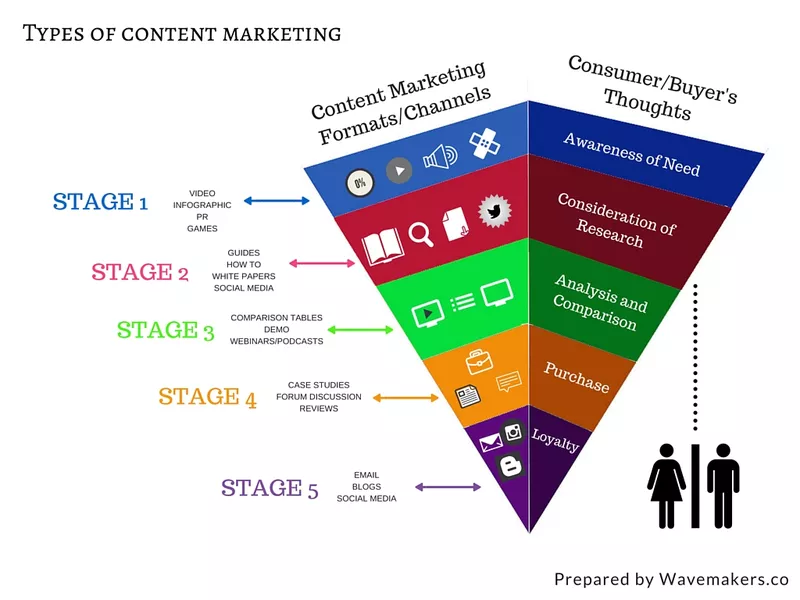
Different audiences prefer different types of content. Using a variety of formats can help you reach more people.
Blog Posts
They help businesses target search keywords and answer customer questions.
Examples include:
- How-to guides
- Industry tips
- Product comparisons
- Beginner tutorials
- Expert advice
Videos
Videos make it easier for audiences to understand information while keeping them interested in the content. Businesses use videos to explain concepts, demonstrate products, and share customer success stories.
Social Media Content
Platforms like Instagram, Facebook, and LinkedIn allow businesses to share quick insights, updates, and engaging content with their audience.
Email Newsletters
Email marketing helps businesses stay connected with subscribers by sharing useful information, company updates, and special offers.
Infographics
Infographics present information in a visually appealing format, making complex topics easier to understand.
How Content Marketing Helps SEO
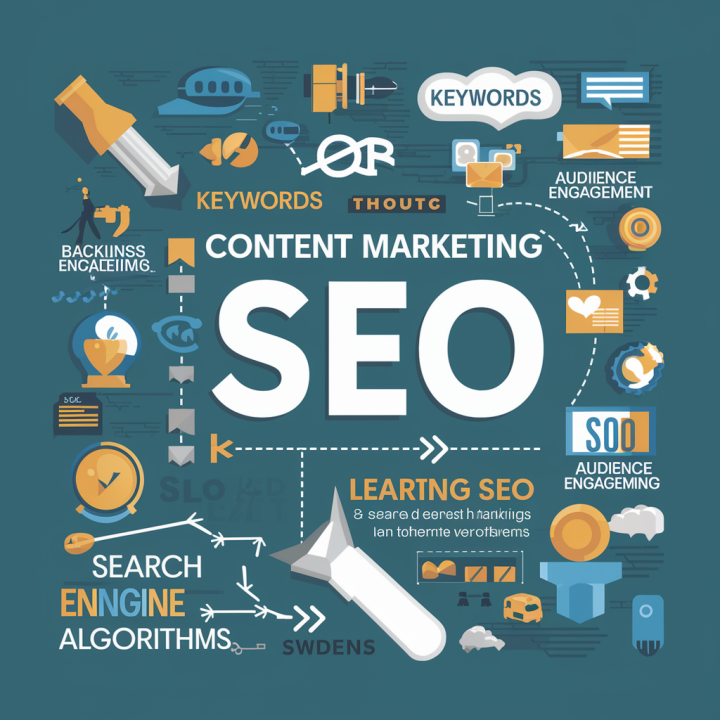
SEO and content creation work together to improve visibility by offering information that matches user needs and search intent. When your website contains valuable content, it has a better chance of appearing in search results.
Content marketing supports SEO by:
- Targeting important keywords
- Increasing website visibility
- Encouraging backlinks
- Improving user engagement
- Expanding website content
The more useful content you publish, the more opportunities your website has to attract organic traffic.
Steps to Create an Effective Content Marketing Strategy
Creating random content is not enoughA well-defined strategy enables businesses to reach their goals more effectively.
1. Understand Your Audience
Before creating content, identify your target audience. Consider:
- Their interests
- Common challenges
- Frequently asked questions
- Online behavior
Understanding your audience helps you create content that addresses their needs.
2. Research Relevant Topics
Choose topics that your audience actively searches for online. Look for:
- Industry trends
- Customer questions
- Frequently searched keywords
- Common problems
The best content often provides solutions to real-world challenges.
3. Create Valuable Content
Focus on delivering practical information that readers can use. Ask yourself:
- Does this content answer a question?
- Does it solve a problem?
- Is it easy to understand?
- Does it provide genuine value?
4. Optimize for Search Engines
Use relevant keywords naturally throughout your content. Also include:
- Clear headings
- Internal links
- Descriptive titles
- Meta descriptions
- Easy-to-read formatting
By using these elements, search engines can more accurately assess what your content is about. .
5. Promote Your Content
Publishing content is only the beginning. Share your content through:
- Social media
- Email newsletters
- Online communities
- Professional networks
Promotion helps increase visibility and reach a larger audience.
Common Content Marketing Mistakes
Many businesses make mistakes that limit their results.
Focusing Only on Sales
Content that constantly promotes products can discourage readers.Combine marketing messages with valuable content that genuinely benefits your audience.
Ignoring Audience Needs
Creating content without understanding your audience often leads to poor engagement.
Inconsistent Publishing
Publishing regularly helps build momentum and keeps your audience engaged.
Low-Quality Content
Short, poorly researched, or unhelpful content can harm your credibility.
Neglecting SEO
Even excellent content may struggle to attract traffic if it is not optimized for search engines.
Measuring Content Marketing Success
Tracking performance helps businesses understand what works best.
Important metrics include:
- Website traffic
- Time spent on pages
- Search engine rankings
- Social media engagement
- Lead generation
- Conversion rates
Regular analysis allows businesses to improve future content and achieve better results.
The Future of Content Marketing
Content marketing continues to evolve as technology and consumer behavior change. Businesses are increasingly using:
- Artificial intelligence tools
- Personalized content experiences
- Interactive content
- Video marketing
- Voice search optimization
However, one thing remains constant: people will always seek valuable information that helps them make informed decisions.
Conclusion
Content marketing is one of the most powerful ways to attract customers, build trust, and grow a business online. By creating useful and relevant content, businesses can connect with their audience, improve search engine visibility, and generate long-term results.
Success in content marketing does not happen overnight. It requires consistency, creativity, and a genuine focus on helping your audience. When done effectively, content marketing can become a valuable asset that continuously drives traffic, strengthens customer relationships, and supports sustainable business growth.
As digital competition continues to increase, businesses that invest in high-quality content will be better positioned to stand out, engage their target audience, and achieve lasting success in the online marketplace.