
Introduction
Social media has become one of the most powerful tools for businesses of all sizes. In 2026, small businesses can no longer rely solely on traditional advertising methods to attract customers. People spend a significant amount of their time on social media platforms, making these channels ideal for building brand awareness, engaging with potential customers, and increasing sales.
Whether you own a local shop, a startup, or an online business, social media marketing can help you connect with your target audience more effectively. However, success does not come from simply posting content every day. Success depends on thoughtful planning, consistent execution, and the ability to connect with your audience’s needs and interests.
This guide explores everything small businesses need to know about social media marketing in 2026, including its benefits, key platforms, content strategies, and best practices for achieving long-term growth.
What Is Social Media Marketing?
Social media marketing involves leveraging social platforms to increase brand visibility, connect with audiences, and promote products or services effectively. Businesses create and share content to attract attention, build relationships, and encourage customer actions such as website visits, inquiries, or purchases.
Unlike traditional advertising, social media allows businesses to communicate directly with their audience. This two-way interaction helps brands understand customer needs and build stronger relationships over time.
In 2026, social media marketing is not only about gaining followers. It is about creating meaningful connections and delivering value through engaging content.
If You Want SMM Services, Contact Us
Why Small Businesses Need Social Media Marketing in 2026
Small businesses often operate with limited marketing budgets. Social media provides an affordable way to reach a large audience without spending heavily on advertising. If you want needs of SMM, Click here
Some of the major benefits include:
Increased Brand Awareness
Social media helps businesses become more visible online. Regularly sharing valuable content can introduce your brand to new audiences and keep existing customers engaged.
Better Customer Engagement
Customers appreciate businesses that respond to comments, messages, and feedback. Social media makes it easy to communicate directly with your audience and build trust.
Higher Website Traffic
Sharing blog posts, product updates, and service information can encourage users to visit your website and learn more about your business.
Cost-Effective Marketing
Creating social media content often requires less investment compared to traditional advertising methods. Even paid social media campaigns can be highly targeted and budget-friendly.
Improved Customer Loyalty
Consistent interaction and valuable content help strengthen relationships with customers, encouraging repeat business and referrals.
Choosing the Right Social Media Platforms
Not every platform is suitable for every business. Selecting the right channels depends on your target audience and business goals.
Facebook remains a valuable platform for local businesses and service providers. It supports various content formats, including images, videos, events, and community groups.
Best for:
- Local businesses
- Service-based companies
- Community engagement
Instagram focuses heavily on visual content. Businesses can use photos, reels, stories, and live sessions to connect with audiences.
Best for:
- Fashion brands
- Food businesses
- Beauty and lifestyle companies
- Creative professionals
LinkedIn is ideal for professional networking and business-related content. It is especially useful for B2B companies and personal branding.
Best for:
- Consultants
- Agencies
- B2B businesses
- Professional services
YouTube
Video content continues to dominate digital marketing. YouTube provides an excellent opportunity to educate audiences and showcase expertise.
Best for:
- Tutorials
- Product demonstrations
- Educational content
- Brand storytelling
TikTok
TikTok remains popular among younger audiences. Creative and entertaining videos can help businesses gain visibility quickly.
Best for:
- Trend-driven brands
- Creative businesses
- Businesses targeting younger consumers
Creating an Effective Social Media Strategy
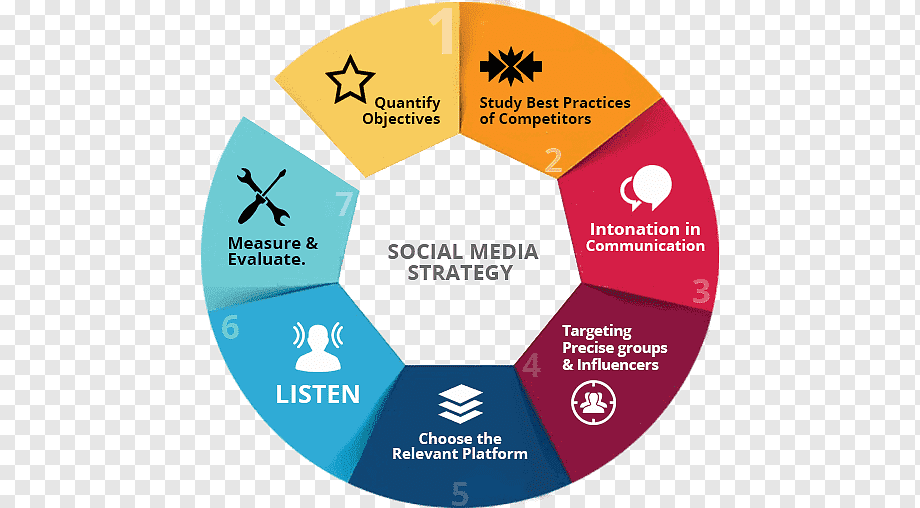
Building a strong social media presence begins with a well-planned strategy.
Define Your Goals
Define your marketing goals early to create content that delivers meaningful results. Common goals include:
- Increasing brand awareness
- Generating leads
- Driving website traffic
- Growing sales
- Building customer relationships
Strong objectives provide valuable direction for content creation and performance evaluation.
Understand Your Audience
Identify the preferences and pain points of your target audience to improve your marketing efforts.
Consider:
- Age group
- Location
- Interests
- Online behavior
- Preferred platforms
Knowing your audience helps create content that resonates with them.
Develop a Content Plan
Planning content in advance improves consistency and reduces stress.
Your content plan can include:
- Educational posts
- Industry insights
- Customer testimonials
- Behind-the-scenes content
- Product highlights
- Promotional campaigns
A balanced mix keeps your audience interested and engaged.
Types of Content That Perform Well in 2026
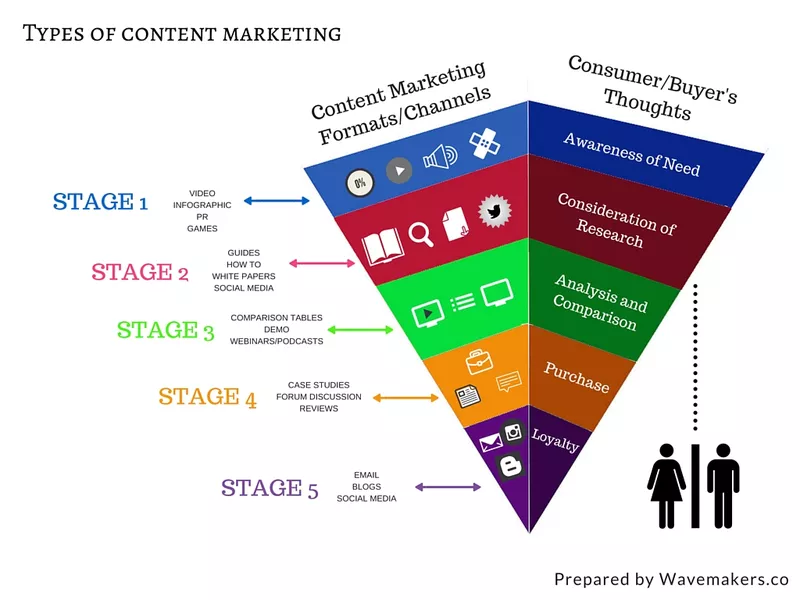
Today’s social media audiences appreciate content that informs, entertains, or solves problems, making quality a key factor in success.
Short-Form Videos
Short videos continue to attract high engagement across multiple platforms. These videos are easy to consume and highly shareable.
Examples:
- Quick tips
- Product demonstrations
- Customer stories
- Industry updates
Educational Content
People use social media to learn new things. Valuable content can position your brand as a dependable resource for industry-related information.
Examples:
- How-to guides
- Expert advice
- Industry trends
- Frequently asked questions
User-Generated Content
Content created by customers can increase trust and credibility.
Examples:
- Customer reviews
- Testimonials
- Photos from customers
- Success stories
Interactive Content
Interactive posts encourage audience participation.
Examples:
- Polls
- Quizzes
- Question-and-answer sessions
- Contests
The Importance of Consistency
Long-term social media growth often depends on maintaining a consistent and strategic presence
Posting regularly helps:
- Maintain visibility
- Build audience trust
- Increase engagement
- Strengthen brand recognition
Businesses should create a realistic posting schedule they can maintain over time rather than posting frequently for a short period and then becoming inactive.
Measuring Social Media Performance
Tracking performance helps identify what works and what needs improvement.
Reach
Reach shows how many people have seen your content.
Engagement
Engagement measures interactions such as likes, comments, shares, and saves.
Website Clicks
Website traffic indicates whether your content is encouraging users to learn more about your business.
Conversion Rate
This metric shows how many users completed a desired action, such as making a purchase or submitting an inquiry. Regular analysis allows businesses to refine their strategy and improve results.
Common Social Media Marketing Mistakes
Many businesses struggle because they make avoidable mistakes.
Posting Without a Strategy
Random content often fails to deliver meaningful results. Every post should support your business goals.
Ignoring Audience Engagement
Responding to comments and messages is essential for building strong customer relationships.
Focusing Only on Sales
Constant promotional content can discourage followers. A healthy balance of educational, entertaining, and promotional content works best.
Inconsistent Posting
Long periods of inactivity can reduce audience engagement and brand visibility.
Copying Competitors
While inspiration is valuable, businesses should develop their own voice and unique approach.
Social Media Trends to Watch in 2026
Several trends are shaping the future of social media marketing.
Increased Use of Artificial Intelligence
AI tools are helping businesses create content, analyze data, and improve customer interactions.
Greater Demand for Authentic Content
Consumers prefer genuine and transparent communication over overly polished advertising.
Growth of Video Content
Video remains one of the most effective content formats for engagement and reach.
Personalized Customer Experiences
Businesses that deliver personalized content and interactions are more likely to build customer loyalty.
Conclusion
Social media marketing continues to be an essential growth tool for small businesses in 2026. With the right strategy, businesses can increase visibility, engage customers, build trust, and drive meaningful results.
Success requires more than simply posting content. It involves understanding your audience, choosing the right platforms, creating valuable content, maintaining consistency, and measuring performance regularly.
Small businesses that focus on delivering value and building authentic relationships through social media will be better positioned to thrive in an increasingly competitive digital landscape. By investing time and effort into a well-planned social media strategy, businesses can create lasting connections and achieve sustainable growth in 2026 and beyond.
You can copy and paste this directly into your website blog editor.